

Have you ever walked into your lab, ready to inspire the next generation of scientists, only to find half the class staring blankly at the ceiling? We’ve all been there. Teaching science is a brilliant vocation, but let’s be honest, it is exhausting when you are constantly battling for attention. That is why I am so thrilled to introduce you to Katrina Harte, the creative force behind The Animated Teacher. Katrina is a secondary science expert who understands that you are often time-poor and looking for ways to reignite that spark of curiosity in your students.
In this interview, we look at how Katrina focuses on secondary science student engagement to transform a quiet, passive room into a hub of activity. Her approach isn't about adding more to your plate; it is about working smarter to ensure your science lab instructions are actually followed. As Katrina puts it, her mission is to "empower time-poor teachers with engaging, ready-to-use resources that spark student curiosity." Whether you are a veteran teacher or a sub stepping into a new room, her insights on science digital escape rooms and classroom management will help you save time and inspire your students.
More...
Proven Strategies for Secondary Science Student Engagement
One of the most significant shifts you can make in your classroom is moving from "telling" to "doing." Katrina found that her biggest breakthrough happened when she stepped away from traditional lecturing and moved toward immersive challenges. If you’ve ever wondered how to get every single student involved—even the ones who usually hide at the back—the answer might be simpler than you think. By using science digital escape rooms, Katrina saw a total shift in how her students interacted with the material.
How Science Digital Escape Rooms Boost Engagement
Secondary science student engagement thrives on a bit of healthy competition. Katrina recalls her breakthrough moment: "Suddenly, students who were usually disengaged were collaborating, problem-solving, and genuinely excited to learn. The mix of challenge, competition, and teamwork transformed the room." When you use science digital escape rooms, you aren't just teaching facts; you are teaching teamwork and critical thinking. Students stop asking "is this on the test?" and start asking "how do we solve this puzzle?" It turns the lesson into a mission.
Digital Tools for Secondary Science Student Engagement
But why does this work so well for secondary science student engagement? It’s because it meets the students where they are. They love digital interfaces, and they love a challenge. When you provide a clear goal with immediate feedback, you’ve won half the battle. You’ll find that when students are "fully immersed, talking science, and pushing themselves," your time is freed up to help those who are struggling with the actual science concepts rather than just managing the volume in the room.
Question for your class: If you were trapped in a high-tech science lab and could only escape by solving one mystery, which area of science would you want the clues to be about?

“
Science isn’t about rushing, but about slowing down, reading closely, and following each step exactly.
Katrina Harte - The Animated Teacher
Teaching Science Lab Instructions Using the Rainbow Lab
Every science teacher knows the "Science Saboteur": that student who starts mixing chemicals before you’ve even finished the first sentence of the instructions. It’s frustrating, right? Katrina identifies this "never-ending science saboteur" as the simple act of getting students to read and follow instructions carefully during a lab. Her secret weapon for this is the Rainbow Lab, which she introduces at the very start of the year.
Teaching Science Lab Instructions for Better Results
The Rainbow Lab is a low-stakes activity where the primary goal is precision. As Katrina explains, "Students quickly realise that success in science isn’t about rushing, but about slowing down, reading closely, and following each step exactly." This isn't just another experiment; it is a masterclass in teaching science lab instructions. If the students don't follow the science lab instructions exactly, they don't get the vibrant, perfectly layered results they were hoping for.
Why Clear Science Lab Instructions Prevent Lab Errors
Using a structured approach like this means you are training their brains to slow down. Isn't it better to spend one lesson on precision than thirty lessons on fixing mistakes? Once they’ve mastered how to handle science lab instructions, your future practicals will run like clockwork. This leads to a safer, calmer, and much more productive environment for everyone involved, creating a lesson that Katrina says "pays off in every lab that follows."
Question for your class: Why do you think a tiny mistake at the beginning of a long experiment can lead to a completely different result at the end?
Stop lecturing and start escaping! Discover how to use digital escape rooms to ignite secondary science student engagement. Full interview here! @inspirationalscienceforsubs #ScienceEd #TeacherTips #ActiveLearning
How Science Digital Escape Rooms Improve STEM Learning
We’ve talked about engagement, but how do we tackle the heavy lifting of curriculum content? Katrina is a huge advocate for using science digital escape rooms as a tool for problem-solving. This isn't just a "fun Friday" activity; it’s a rigorous way to test knowledge. She believes every teacher needs "an interactive platform for challenges that promotes collaboration, problem-solving, and engagement."
Using Science Digital Escape Rooms for Topic Revision
If you are looking for ways to boost secondary science student engagement, try incorporating these digital challenges into your revision cycles. Instead of a boring worksheet, give them a digital lockbox. You’ll notice that students who rarely speak up are suddenly leading their groups. They are debating the properties of elements or the steps of mitosis because they need that code to move forward. This level of secondary science student engagement is exactly what we strive for.
Secondary Science Student Engagement through Problem Solving
Furthermore, science digital escape rooms provide a safe space for students to fail and try again. There is no red pen involved—just a "try again" message on a screen. This builds the confidence they need to tackle harder scientific theories later on. You are essentially gamifying the learning process, which, as we know, is a massive win for student retention and interest.
Question for your class: If we turned our next big topic into a digital game, what kind of obstacles or "boss levels" should we include to test your knowledge?
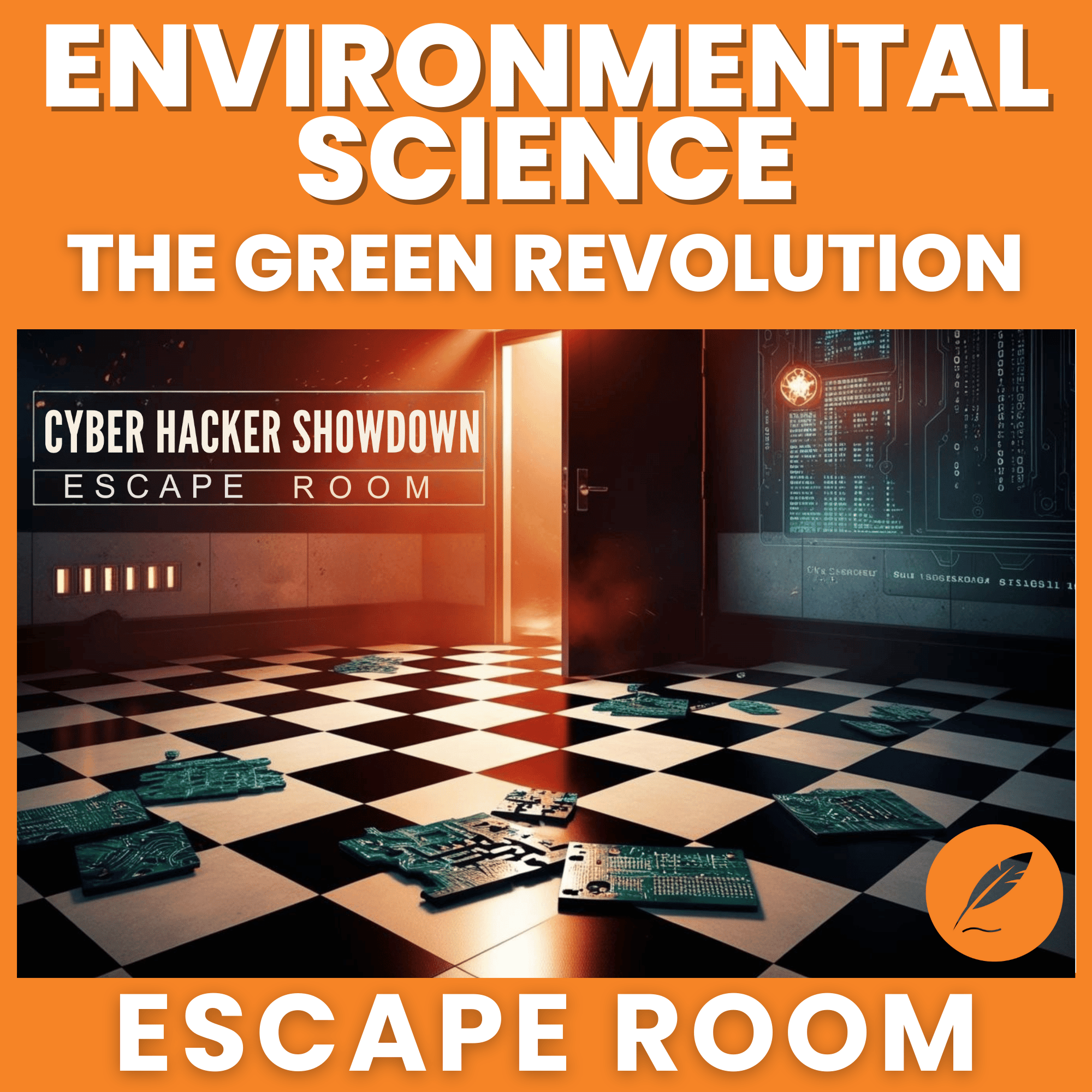
FREE Lesson Plan
This no-prep digital challenge is the perfect intro to Earth Science curriculum or an engaging standalone STEM activity.
Designed to boost secondary science student engagement, it guides students through ecosystems and sustainability challenges with clear instructions. Whether you are a full-time teacher or an emergency sub, this ready-to-use resource builds problem-solving skills and environmental awareness in minutes.
Ensuring Success with Effective Science Lab Instructions
Success in the lab is 10% equipment and 90% following the plan. To ensure your students get the best results, you have to be intentional about how you deliver science lab instructions. Katrina suggests that moving around the room is key. If you are sitting behind your desk, you aren't seeing the tiny errors in technique that lead to big errors in data. By being active, you reinforce the science lab instructions in real-time.
Visual Anchors for Scientific Concepts
Another tip to support science lab instructions is to have visual aids that stay up year-round. Katrina’s science variable posters are a perfect example. She notes that "students are forever mixing up the different types of variables, so having them visible in the classroom to refer to has been life changing!" If they have a clear, bright reference point, it saves you from answering the same question forty times.
Reducing Anxiety in the Laboratory
When students feel confident in their ability to follow science lab instructions, their anxiety levels drop. They start to enjoy the process of discovery rather than worrying about doing something wrong. This creates a positive feedback loop: better instructions lead to better results, which leads to higher secondary science student engagement. It’s a win for you, and a huge win for them.
Question for your class: If you had to write a set of instructions for a robot to make a jam sandwich, how specific would you need to be to make sure it didn't make a mess?
Enjoyed the article?
Essential Tools to Boost Secondary Science Student Engagement
Katrina believes that every science teacher needs a mix of digital and physical tools to keep the energy high. Physically, she loves having a class set of mini whiteboards because "they let every student think, respond, and explain their reasoning without the pressure of being 'wrong' in front of the class." These are a brilliant way to check for understanding instantly.
Engaging Movement-Based Learning
Combining these tools ensures that secondary science student engagement stays consistent throughout the lesson. If you are a sub teacher, having a few "station activities" is a lifesaver. Katrina’s Famous Scientists Worksheets or Einstein Puzzles are perfect for this. She explains that station activities mean "students need to be up and moving around the classroom to gather the information they need... this increases engagement immediately."
Why Engagement Trumps Content Delivery
If you could tell your younger teacher-self one thing, what would it be? For Katrina, it’s the fact that "engagement comes before content. If students aren’t hooked, the best explanations won’t land." This realisation shapes everything she creates now, focusing on resources that prioritise curiosity and confidence. By having these tools ready, you ensure the classroom stays focused and productive.
Question for your class: If you could invent a new piece of technology specifically to help you study for science, what would it do?
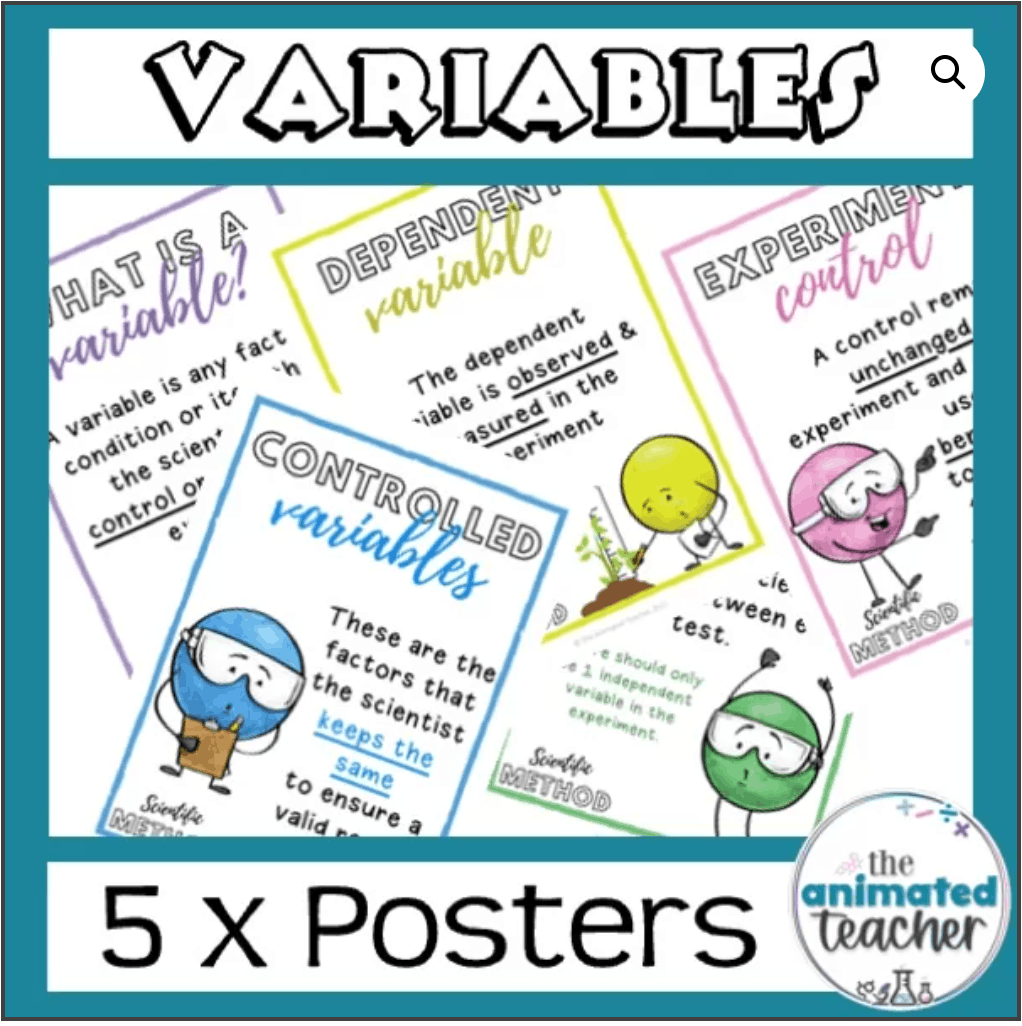
FREE Science Posters
Want some colourful science variables posters that don’t look too childish for middle school and high school students?
Here they are!
These 5 posters cover variables, independent variables, dependent variables, controlled variables and control.
What is included?
5 high quality colour posters in printable pdf format A4 size.
Mastering Escape Rooms and Science Lab Instructions
It has been such a pleasure learning from Katrina Harte today. Her passion for secondary science student engagement and her clever use of science digital escape rooms offer a clear path for any teacher looking to improve their classroom dynamic. By focusing on the "hook" before the content and ensuring that science lab instructions are mastered early on, you can create a learning environment that is both disciplined and incredibly fun.
Katrina’s journey from a time-poor teacher to the "Animated Teacher" is a reminder that we all have the power to pivot and try something new. Whether you start using science digital escape rooms tomorrow or simply introduce a "Rainbow Lab" next term, you are making a meaningful impact on your students' lives. We hope these insights inspire you to go beyond the textbook and ignite a love of science in your classroom.
Do you have a "secret weapon" lab or a specific digital tool that completely changed how your students follow science lab instructions? We would love to hear about the breakthroughs you've had with your own classes in the comments below!