

Have you ever walked into your classroom and felt that electric buzz of curiosity? That is the dream, isn't it? At Inspirational Science For Subs, the goal is to help you reach that beyond-the-textbook feeling every single day. Today, you are going on a deep dive with Sarah from Science and STEAM Team. Sarah spent much of her career in special education and second grade before being tapped to lead a K-4 STEM program. Along with her husband, Moe – a middle school science pro – she builds Elementary Science Projects that turn “I have to do this” into “I can't believe I get to do this!”. You’ll find that her approach isn’t about flashy tech; it’s about making science easier to teach while keeping that childhood sense of wonder alive. If you've ever felt like STEM in elementary school was too daunting, Sarah is here to show you that a little bit of play goes a long way.
More...
Why Cooperative Elementary Science Projects Win
When you think about your most successful lessons, what do they look like? For Sarah, the secret sauce is rarely found in a silent room. Drawing from her special education roots, she found that STEAM activities for kids thrive when students aren't working in isolation. “My students have always done a lot of cooperative work,” she notes, “either forming partnerships or working in small groups”. It’s about the social energy that comes from solving a puzzle together. Have you noticed how your students perk up the moment you say, “Work with a partner”?
Strengthening Engagement Through Peer Support
Building Elementary Science Projects around teamwork doesn't just make the day go faster; it builds those vital soft skills like communication and compromise. Sarah’s experience shows that when you let kids talk through a problem, the engagement levels stay high. “I find that all students seem to enjoy and stay actively engaged when working with others”. It’s a simple shift, but it changes the classroom dynamic from passive listening to active investigating. When students explain concepts to one another, they solidify their own understanding in a way a lecture never could.
Question for your class: If you were stranded on a deserted island with one classmate, what is the first scientific problem you would have to solve together to survive?
“
Play is the highest form of research—our goal is to make science easier to teach while encouraging a student’s natural sense of wonder.
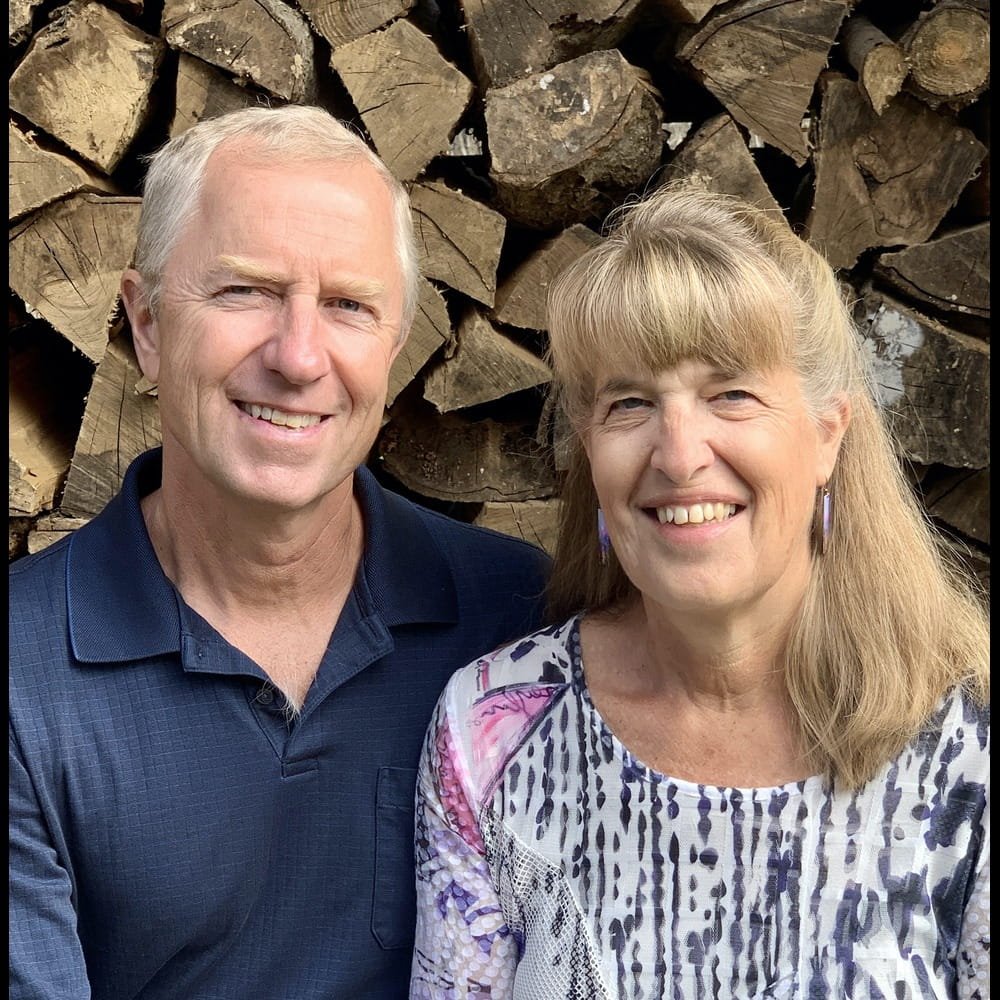
Sarah & Moe - Science and STEAM Team
Making STEM In Elementary School Reachable For Every Learner
One of the biggest worries you might have is whether a complex topic will go over your students' heads. Sarah is a firm believer that curiosity is the ultimate equaliser. She argues that as long as you provide STEAM activities for kids that are hands-on, the complexity doesn't matter as much as the experience. “As long as students are given hands-on activities or working with others they will learn no matter what the concept,” she explains. It’s about removing the barrier of dry theory and replacing it with something they can touch, move, and observe.
Encouraging A Shared Sense Of Wonder
When you are teaching STEM in elementary school, you aren't just teaching facts; you are teaching a way of seeing the world. Sarah and Moe aim to inspire you by making these concepts less intimidating. Their core mission is “to inspire teachers by making science easier to teach and to encourage students’ sense of wonder”. Isn’t that exactly why you got into teaching in the first place? You’ll find that when the pressure to be a “perfect scientist” is removed, both you and your students can breathe easier. Check out their latest updates on their website or browse their TPT store.
Question for your class: If you could shrink down to the size of an ant, what part of our classroom would be the most difficult “science obstacle” to get across?
Is your science lab too quiet? Sarah from Science and STEAM Team explains why cooperative learning is the secret sauce for student engagement. @inspirationalscienceforsubs #STEM #ScienceTeacher #PrimaryScience
Quick Hooks And Essential Digital Tools For Science
You know those days where the energy in the room feels flat? You need a “mission pivot” to get them back on track. Sarah’s go-to isn't a complex lab setup – it’s often a well-chosen story or a visual. “Usually a good picture book... or a short video clip will get students thinking”. She specifically recommends the video work of Frank Gregorio to spark that initial “how does that work?” conversation. It’s a low-stress way to introduce Elementary Science Projects without any setup time.
Quantifying The World With Physical Tools
But what about the tools you use once the lesson is underway? In the digital world, having a go-to video resource is key, but Sarah reminds you not to forget the physical world. Her “must-have” tool is a simple balance or scale. Why? Because science is about the data. “Mass is the most often measured variable,” she points out. If you want your STEAM activities for kids to feel “real,” you have to give them the tools to quantify their world. It moves the lesson from a craft project to a legitimate scientific investigation.
Question for your class: If we weighed every single thing in this room, what do you think would be the heaviest thing that isn't a piece of furniture?
FREE Lesson Plan
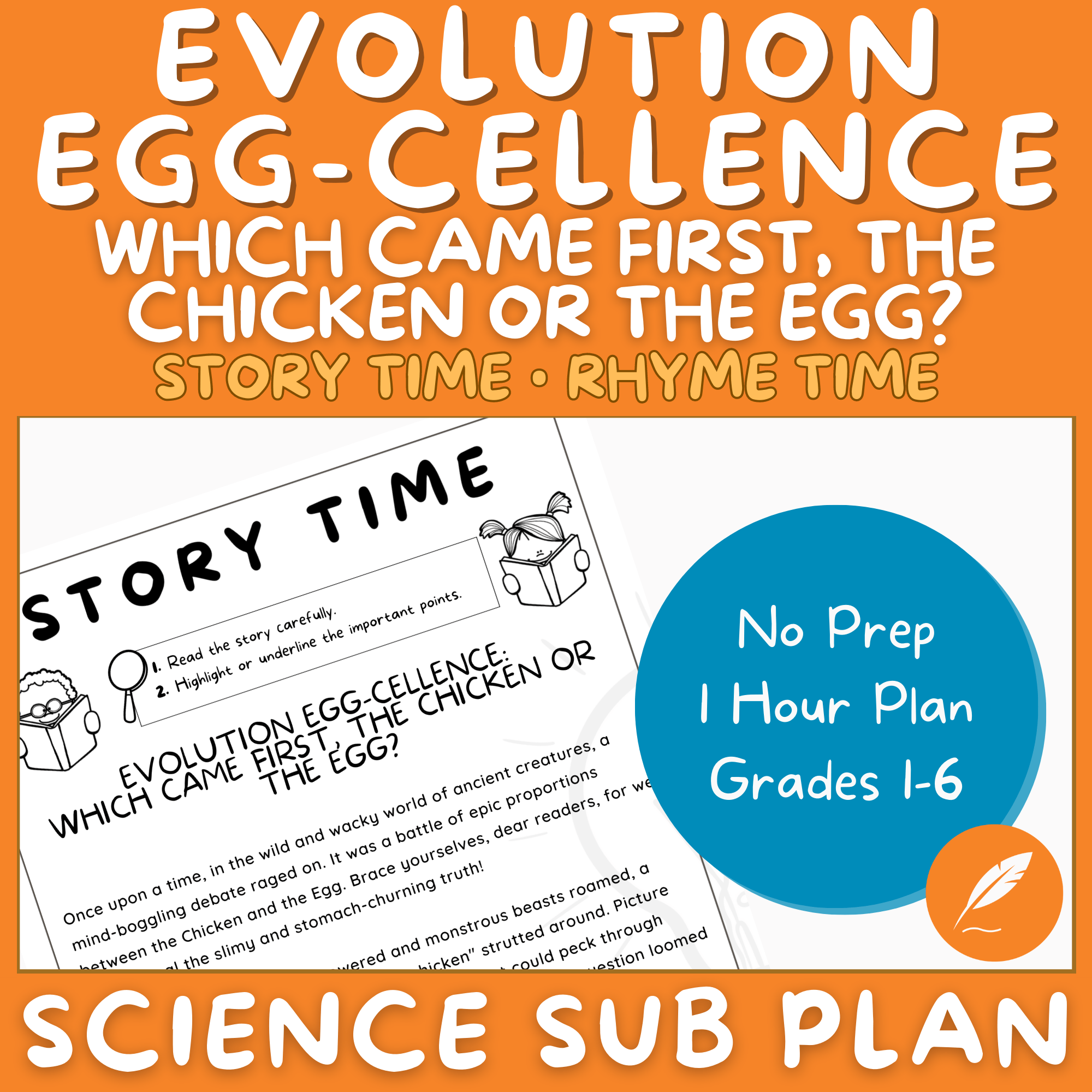
Ever wondered which came first, the chicken or the egg?
This Story Time Adventure turns that age-old mystery into a narrative journey for your youngest scientists.
Designed for early elementary, this project simplifies complex biology into a "grab-and-go" expedition. It’s the perfect low-prep tool for investigating life cycles and natural selection through storytelling.
Download this freebie to spark deep classroom debate and foundational observation skills.
Sub-Ready Resources And Reading For Inquiry
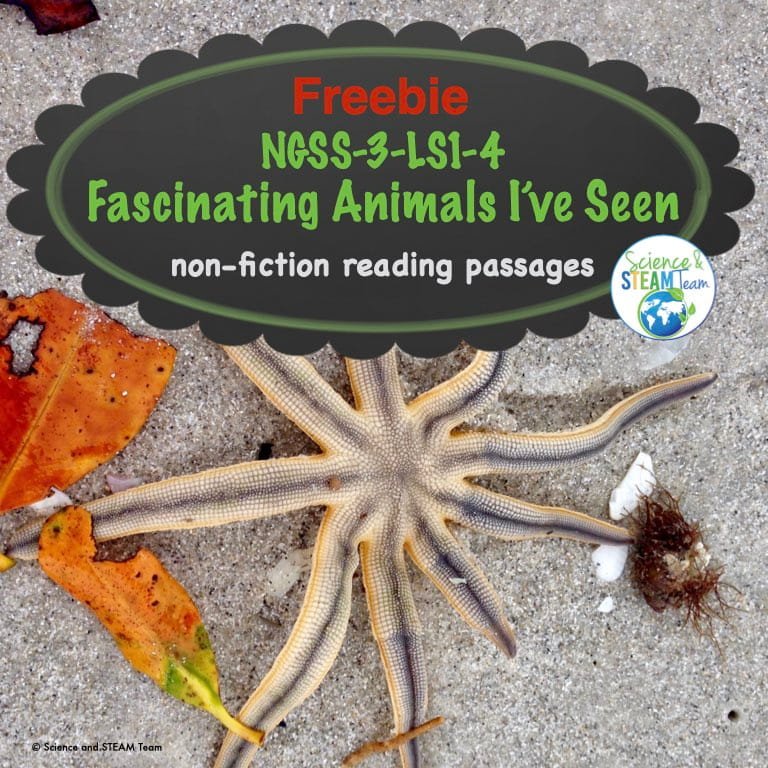
We've all been there: you're ill, and the thought of writing sub plans makes you want to crawl back under the covers. Sarah has solved this by creating high-quality reading passages that are essentially a “lesson in a box”. These Elementary Science Projects focus on nonfiction text that encourages kids to look closer at the world. She suggests using animal reading passages to spark “I wonders” that lead to independent research. You can find their free animal reading preview here.
Empowering Substitutes With Structured Success
When you leave these for a substitute, you aren't just leaving “busy work.” These packets come with explicit instructions and different reading levels. “Students work with a partner and there is usually a whole class share at the end,” Sarah says. It maintains the cooperative atmosphere she values while ensuring the classroom stays sane while you are away. It turns a potentially chaotic sub day into a productive session of teaching STEM in elementary school. You can explore their full range of sub-ready resources in their TPT category for upper grades.
Question for your class: If you could interview any animal from our reading today, what is the one question you think only they could answer?
FREE Science Lesson
If you want to turn a standard reading lesson into a full-blown investigation, this freebie is your new best friend.
This isn’t just a worksheet; it’s a gateway to those "I wonder" moments. By using a close-reading lens, you’ll train students to observe the natural world with the precision of a biologist. Perfect for early finishers, science centres, or a robust sub-day resource, these passages deliver.
Download the freebie, let your students dive into the facts, and watch their natural curiosity take over.
The Power Of Play In The Science Classroom
If there is one thing Sarah wishes she could tell her younger self, it’s that science should be a blast. It’s easy to get caught up in the “seriousness” of the curriculum, but she has adopted a motto from Albert Einstein: “Play is the highest form of research”. When you allow for play in your STEAM activities for kids, you are actually allowing for high-level inquiry. You aren't just “messing around”; you are testing hypotheses in real-time.
Reframing Failure As Play-Based Research
This philosophy of play is what makes Elementary Science Projects so effective. When students are playing, they aren't afraid to fail. And as any scientist will tell you, failure is just a different kind of data. Sarah’s journey from special education to STEM lead shows that the most important thing you can bring to your classroom is a sense of fun. “I wish I knew how fun science could be!” she reflects. But you don't have to wait until the end of your career to realize that. You can start bringing that play-based research into your room tomorrow.
Question for your class: If we turned our entire school into a giant science playground, what would be the first “experiment” you would want to build on the playground?

Enjoyed the article?
Summary: Building A Limitless Future With Elementary Science Projects
Connecting with teachers like Sarah from Science and STEAM Team reminds us that teaching STEM in elementary school doesn't have to be a solo struggle. By focusing on cooperative learning, hands-on experiences, and the sheer joy of play, you can transform your classroom into a hub of discovery. Whether you are using a simple balance to measure mass or diving into animal nonfiction to spark research, you are giving your students the tools to think critically. Remember, your mission is to keep that sense of wonder alive – not just for them, but for you too! Sarah’s resources and insights are a great way to save time while ensuring your students are getting top-tier engagement.
What is one science concept that always seems to “click” for your students when they work together? Or perhaps you have a favourite picture book that sparks a great science discussion? I’d love to hear your thoughts in the comments below!